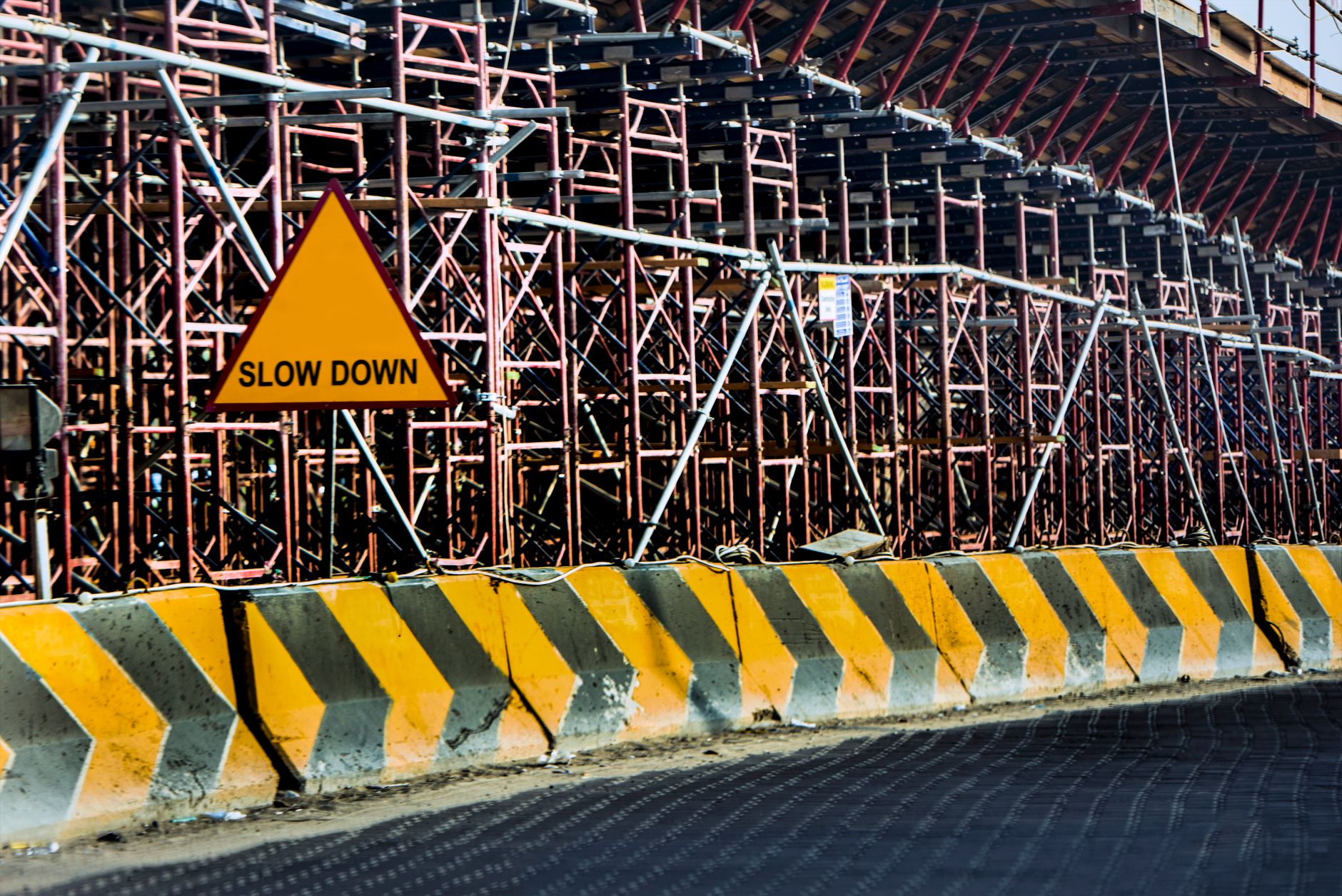
highway infrastructure projects are being strengthened by the recent MoU signed between RITES and NHIDCL. This collaboration aims to enhance development in the North-East region, improving connectivity and economic opportunities.
Overview of the MoU between RITES and NHIDCL
In a significant development for highway infrastructure projects in the North-East, RITES Ltd. has signed a Memorandum of Understanding (MoU) with the National Highways and Infrastructure Development Corporation Limited (NHIDCL). This collaboration aims to enhance the quality and efficiency of highway construction and maintenance in the region.
The MoU outlines several key areas of cooperation between the two entities:
- Project Planning: RITES will assist in the planning and execution of various infrastructure projects that cater to the specific needs of the North-Eastern states.
- Technical Support: The partnership will provide technical expertise to ensure that projects meet national and international standards.
- Capacity Building: Training programs will be organized to develop skills among local workforce in highway construction and management.
- Research and Development: Joint initiatives will focus on innovative solutions to improve highway infrastructure sustainability.
This collaboration is expected to not only boost the highway infrastructure projects but also facilitate economic growth and connectivity in the North-East, paving the way for enhanced trade and mobility in the region.
Importance of Highway Infrastructure in North-East
The development of highway infrastructure projects in the North-East region holds significant importance for economic growth and regional connectivity. These projects are designed to enhance accessibility, reduce travel time, and stimulate local economies.
One of the primary benefits of improved highway infrastructure is the facilitation of trade and commerce. With better road connectivity, local businesses can access larger markets, leading to increased sales and revenue. Furthermore, the transportation of goods becomes more efficient, which can lower costs for consumers.
In addition to economic advantages, highway infrastructure projects also play a crucial role in social development. Improved roads lead to better access to education and healthcare facilities, ultimately enhancing the quality of life for residents. This is especially vital in remote areas where access has historically been limited.
Moreover, these projects create job opportunities, both during construction and in the long term, contributing to the region’s overall socioeconomic development. The collaboration between RITES and NHIDCL is a step towards ensuring that these highway infrastructure projects are executed effectively and sustainably.
In summary, the significance of highway infrastructure in the North-East cannot be overstated, as it not only drives economic growth but also fosters social improvement and connectivity.
Benefits of Improved Connectivity
Improved connectivity through highway infrastructure projects brings numerous advantages that can significantly impact regional development and economic growth. Enhanced highways facilitate smoother and faster transportation of goods and people, thereby reducing travel time and costs.
One of the key benefits of improved connectivity is the potential for increased trade. When highways are well-maintained and efficiently designed, they allow businesses to reach wider markets effortlessly. This can lead to:
- Boosted Economic Activity: Easier access to markets encourages entrepreneurship and attracts investments.
- Job Creation: Infrastructure projects often lead to new job opportunities both during construction and in ongoing operations.
- Tourism Growth: Improved roads make it easier for tourists to explore regions, bringing in revenue and supporting local businesses.
- Enhanced Quality of Life: Better connectivity enables residents to access essential services such as healthcare and education more efficiently.
Furthermore, strengthening highway infrastructure projects can improve safety on the roads, reducing accident rates and ensuring smoother traffic flow. Overall, the positive impact of enhanced connectivity is vital for fostering sustainable growth and development in various regions.
Future Plans for Highway Development
As part of the ongoing efforts to enhance regional connectivity, future plans for highway infrastructure projects in the North-East focus on several key initiatives aimed at fostering economic growth and improving transportation efficiency. The collaboration between RITES and NHIDCL is set to pave the way for a series of developments that will not only address current infrastructural challenges but also lay the groundwork for sustained progress.
Among the proposed projects, the following are highlighted:
- Expansion of Existing Highways: Upgrading and widening major routes to accommodate increasing traffic flow and improve safety.
- New Highway Construction: Establishing new corridors that will connect remote areas to larger markets, thus promoting trade.
- Smart Highway Technologies: Implementing advanced traffic management systems and smart signage to enhance travel efficiency.
- Environmental Considerations: Incorporating eco-friendly practices in construction to minimize the ecological impact of highway projects.
These highway infrastructure projects are anticipated to significantly boost the local economy by creating jobs, enhancing access to services, and facilitating commerce across the region. With strategic planning and investment, the future of highway development in the North-East looks promising.
Challenges in Infrastructure Projects
Despite the numerous benefits of highway infrastructure projects, there are several challenges that stakeholders must navigate to ensure successful implementation. One of the primary obstacles is funding. Securing adequate financial resources can be difficult, especially for large-scale initiatives that require sustained investment over time.
Additionally, land acquisition often poses a significant hurdle. Delays in obtaining the necessary land can stall projects and lead to increased costs. Furthermore, conflicts with local communities may arise, requiring careful negotiation and collaboration to mitigate tensions.
Environmental concerns also play a crucial role in highway infrastructure projects. Projects must comply with stringent regulations to minimize environmental impact, which can lead to lengthy approval processes. Incorporating sustainable practices is essential but can complicate project timelines.
Moreover, the technical challenges associated with construction in diverse terrains, particularly in regions like the North-East, can hinder progress. Weather conditions, geological factors, and the need for specialized materials can all affect project execution.
Lastly, ensuring community engagement throughout the project lifecycle is vital. Maintaining open lines of communication helps foster trust and support, ultimately contributing to the project’s success.
Conclusion on Infrastructure Growth Opportunities
In conclusion, the benefits of highway infrastructure projects extend far beyond mere transportation improvements. They serve as a catalyst for economic growth and regional development, particularly in underdeveloped areas. The recent MoU between RITES and NHIDCL signifies a significant commitment to enhancing highway infrastructure in the North-East, thereby unlocking potential opportunities that can lead to sustainable growth.
Investing in highway infrastructure creates a ripple effect that positively impacts various sectors. Improved roads lead to enhanced connectivity, facilitating trade and commerce, which in turn stimulates local economies. Moreover, the development of highways can attract investment, as businesses seek locations with accessible transportation routes.
Furthermore, these projects pave the way for job creation, both during and after construction. The construction phase alone can generate numerous employment opportunities, while better infrastructure can encourage tourism and other industries, further amplifying economic benefits.
However, it is essential to address the challenges that come with infrastructure projects, including environmental concerns and funding issues. By effectively planning and executing highway infrastructure projects, stakeholders can ensure that the North-East region not only experiences immediate benefits but also enjoys long-term growth and prosperity.
Photo by Frans van Heerden on Pexels
Sources
Related reading
DMRC MMI projects: Proven Benefits for Urban Infrastructure · Fox Elimination Campaign: Proven Strategies for Success · Smart Grid-Forming ESS: Best Proven Technology for Hotels