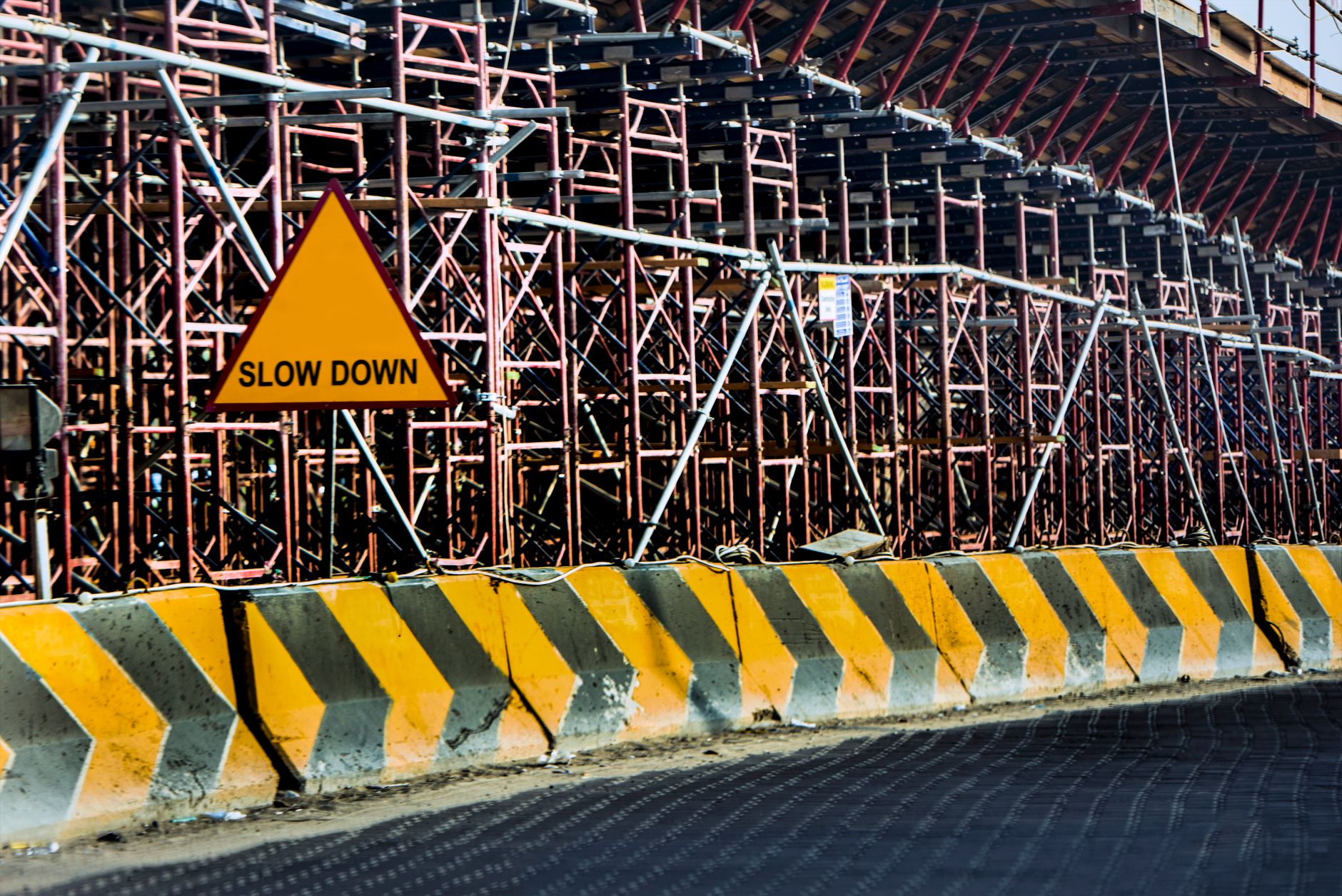
Maharashtra irrigation projects have secured significant funding, with Indian Hume Pipe winning Rs 461 crore in joint venture orders. This investment aims to enhance agricultural efficiency in the region.
Overview of the Maharashtra Irrigation Projects
The Maharashtra irrigation projects have become a cornerstone in enhancing agricultural productivity across the region. These initiatives are designed to improve the availability of water for farming, thereby supporting local farmers in their quest for sustainable agriculture. With the implementation of various irrigation techniques, the state’s agricultural landscape is witnessing significant transformations.
One of the key aspects of these projects is their focus on:
- Water Conservation: Innovative methods are being introduced to maximize water usage while minimizing waste.
- Infrastructure Development: The construction of canals, reservoirs, and pipelines is critical for ensuring that water reaches even the most remote farming areas.
- Enhanced Crop Yields: With better irrigation facilities, farmers can cultivate more diverse crops, leading to increased income and food security.
- Community Engagement: Local farmers are actively involved in the planning and execution of these projects, which fosters a sense of ownership and responsibility.
Recent orders secured by Indian Hume Pipe for these irrigation projects, amounting to Rs 461 Crore, highlight the ongoing commitment to improving Maharashtra’s agricultural framework. As these projects continue to evolve, their proven benefits for local farmers are becoming increasingly evident.
Impact on Local Agriculture
The implementation of Maharashtra irrigation projects has significantly transformed local agriculture, enabling farmers to enhance their productivity and sustainability. With the introduction of advanced irrigation techniques, many farmers have reported increased crop yields and better quality produce.
One of the most notable impacts has been seen in water-scarce regions, where previously unproductive land has become fertile. The projects have provided a reliable water supply, allowing farmers to cultivate crops throughout the year rather than relying solely on seasonal rains.
Farmers have also benefited from:
- Reduced Dependency on Monsoons: With consistent irrigation, farmers are less vulnerable to the unpredictability of monsoon seasons.
- Crop Diversification: Access to reliable water sources has encouraged farmers to diversify their crops, leading to increased income and food security.
- Improved Soil Health: Modern irrigation techniques help in maintaining soil moisture, which is essential for healthy crop growth.
Moreover, these irrigation projects have fostered a sense of community among farmers, as they share knowledge and resources, leading to collective growth. The proven benefits of the Maharashtra irrigation projects are reshaping the agricultural landscape, empowering farmers to thrive in a competitive market.
Funding Details and Joint Ventures
The Maharashtra irrigation projects have garnered significant attention not only for their impact on local farmers but also for their robust funding mechanisms and collaborative efforts. Recently, Indian Hume Pipe Company announced securing joint venture orders worth Rs 461 crore specifically aimed at enhancing these irrigation initiatives.
This financial backing is a testament to the government’s commitment to improving agricultural productivity in the region. The funding will facilitate the construction and maintenance of critical infrastructure, ensuring that water resources are efficiently utilized. Key partnerships between government entities and private firms have been instrumental in bringing these projects to fruition.
Joint ventures play a crucial role in the success of these irrigation projects. The collaborations often involve:
- Resource Sharing: Companies pool their resources and expertise to maximize efficiency.
- Risk Mitigation: By sharing the financial burden, joint ventures reduce the risks associated with large-scale projects.
- Innovation: Collaborative efforts often lead to innovative solutions tailored to local agricultural needs.
As these Maharashtra irrigation projects move forward, the partnership between various stakeholders is expected to yield substantial benefits, ultimately empowering local farmers and enhancing food security in the region.
Challenges in Implementation
Despite the significant benefits brought by the Maharashtra irrigation projects, challenges in implementation remain a pressing concern. These obstacles can hinder the overall success and effectiveness of the initiatives aimed at improving local agriculture.
- Infrastructure Issues: Many irrigation systems face delays due to inadequate infrastructure development. Poor road connectivity can impede the timely delivery of materials and resources needed for construction.
- Environmental Concerns: The ecological impact of large-scale irrigation projects has raised questions among local communities. Concerns about water table depletion and the displacement of flora and fauna can lead to resistance from environmental groups.
- Bureaucratic Hurdles: The complex regulatory framework can slow down project approvals and lead to mismanagement of funds. Inefficient coordination among various government departments often results in project delays.
- Community Involvement: A lack of engagement with local farmers in the planning stages can lead to projects that do not address their specific needs or practices. This disconnect can diminish the projects’ effectiveness and farmers’ willingness to adopt new systems.
Addressing these challenges is crucial for the long-term success of Maharashtra irrigation projects and ensuring that local farmers can fully benefit from improved water management practices.
Future Prospects for Irrigation
The future of Maharashtra irrigation projects looks promising as ongoing investments and technological advancements continue to evolve. With the increasing focus on sustainable agriculture, these projects are set to enhance water management and boost crop yields significantly.
Stakeholders are optimistic about the potential expansion of existing irrigation infrastructures, which could lead to more efficient water usage. Key areas of focus include:
- Technological Integration: Adoption of modern irrigation techniques, such as drip and sprinkler systems, to maximize water efficiency.
- Government Initiatives: Continued support from the Maharashtra government, including financial incentives for farmers transitioning to these innovative methods.
- Collaboration with NGOs: Partnerships with non-governmental organizations to educate farmers about best practices in water conservation.
- Climate Resilience: Developing irrigation systems that can withstand climate variability, ensuring consistent water supply even during dry spells.
Moreover, the success of recent joint ventures, such as the one involving Indian Hume Pipe securing significant orders, indicates a strong commitment to enhancing irrigation infrastructure. Local farmers are expected to reap the benefits of these developments, ultimately leading to increased agricultural productivity and economic stability in the region.
Role of Indian Hume Pipe in Development
Indian Hume Pipe has emerged as a significant player in the development of Maharashtra irrigation projects, enhancing agricultural productivity and sustainability in the region. With the recent acquisition of Rs 461 crore in joint venture orders, the company is set to play a crucial role in the ongoing efforts to improve water supply systems across the state.
The involvement of Indian Hume Pipe is particularly important given the pressing need for efficient irrigation solutions in Maharashtra, where farmers often face challenges due to inconsistent rainfall and water scarcity. By leveraging advanced technology and infrastructure, the company aims to facilitate better water distribution, thereby supporting local farmers in maximizing crop yields.
Some key contributions of Indian Hume Pipe include:
- Quality Infrastructure: The company is known for its durable and reliable piping solutions, ensuring longevity and minimal maintenance.
- Innovative Techniques: Implementation of modern engineering practices that optimize water flow and minimize wastage.
- Local Employment: Creating job opportunities in the region, thus contributing to the local economy.
Overall, the partnership between Indian Hume Pipe and Maharashtra irrigation projects signifies a commitment to enhancing agricultural practices and supporting the livelihoods of farmers in the community.
Photo by Dipinder Rainu on Pexels
Where this came from
Flydubai freighter operations: What Makes Them the Best Choice? · Samsung Blue Tag Sale: Best Proven Deals for Smart Homes · Fuel Prices Rise: The Real Impact on Your Wallet