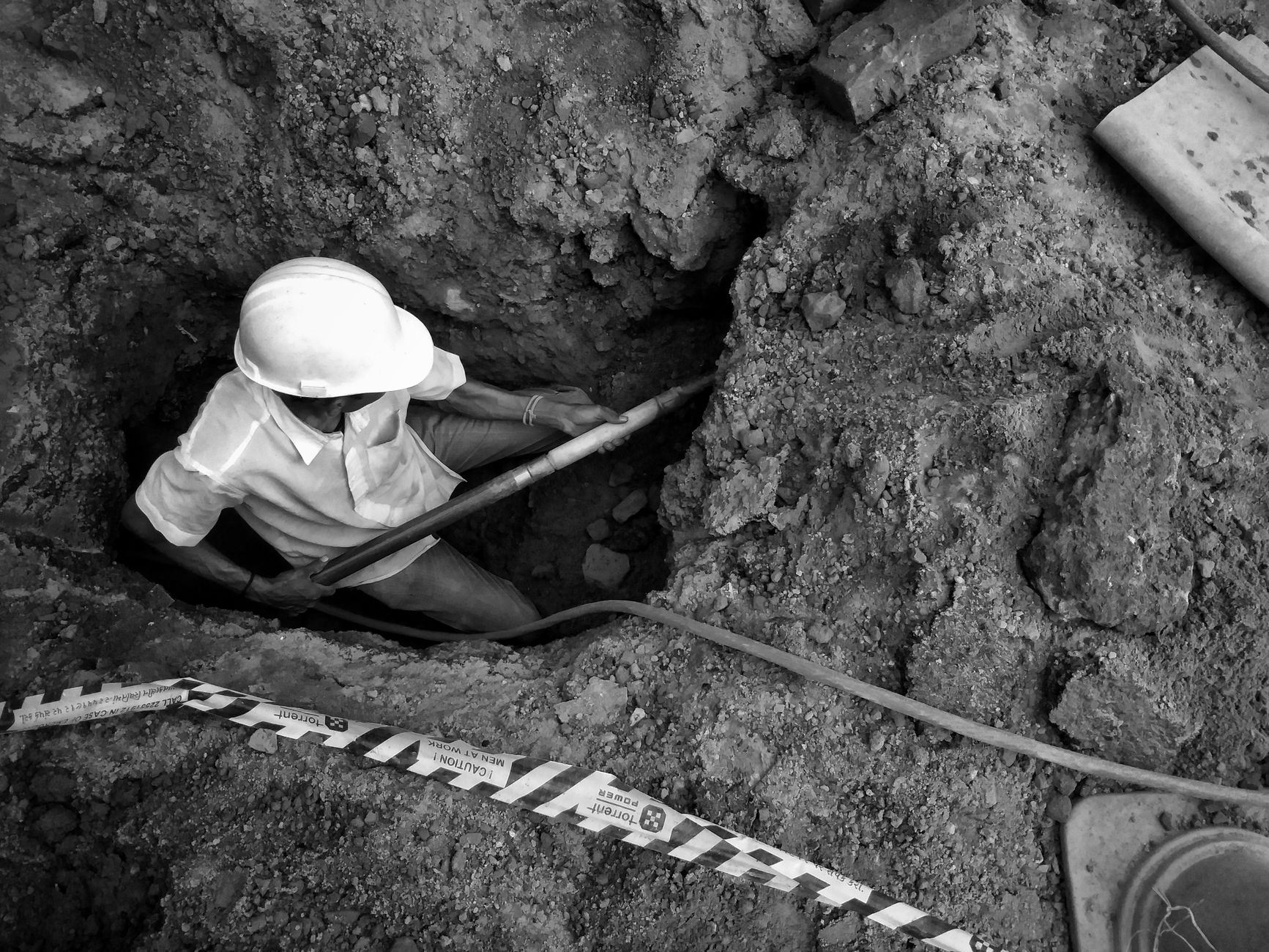
civic works in Ahmedabad are being launched by Gujarat CM with a significant investment of Rs 584 crore. These projects aim to improve the city’s infrastructure and living conditions for its residents.
Overview of the Civic Projects
The recent launch of civic works in Ahmedabad, amounting to Rs 584 crore, marks a significant investment in the city’s infrastructure. These projects aim to enhance the quality of life for residents by improving essential services and facilities.
Key components of the civic projects include:
- Flyover Construction: New flyovers are expected to ease traffic congestion, providing smoother commutes for daily travelers.
- Drainage System Improvements: Upgrades to the drainage system will help prevent waterlogging during heavy rains, protecting homes and businesses.
- Road Repairs and Expansion: Pothole repairs and road expansions will enhance connectivity throughout Ahmedabad, facilitating better access to various neighborhoods.
- Green Spaces Development: The introduction of more parks and recreational areas will promote community engagement and provide residents with spaces for relaxation and leisure.
These civic works in Ahmedabad are designed not only to address current infrastructure challenges but also to promote sustainable urban development. As the city continues to grow, these initiatives will play a crucial role in ensuring that Ahmedabad remains a vibrant and livable metropolis for all its residents.
Investment Details of Rs 584 Crore
The recent launch of civic works in Ahmedabad, backed by an investment of Rs 584 crore, is set to bring significant improvements to the city’s infrastructure. This initiative, led by the Chief Minister of Gujarat, aims to enhance the quality of life for residents through various projects.
The funds will be allocated to several key areas, including:
- Flyovers to ease traffic congestion and improve connectivity.
- Drainage systems to prevent waterlogging during monsoons, ensuring better sanitation and hygiene.
- Road development to enhance the overall transport network within the city.
- Public amenities such as parks and recreational facilities for community engagement.
These civic works in Ahmedabad are expected to attract further investments and boost economic activities. Residents can look forward to a more organized urban environment that prioritizes their needs. Experts believe that such comprehensive infrastructure projects will not only facilitate smoother commuting but also promote a healthier, more sustainable living space.
As these projects progress, the local government encourages citizen participation and feedback to ensure that the developments align with the community’s expectations and requirements.
Impact on Ahmedabad’s Infrastructure
The recent civic works in Ahmedabad are set to significantly enhance the city’s infrastructure, benefiting residents in numerous ways. The initiatives encompass a range of projects aimed at improving daily life and ensuring the city’s growth aligns with modern needs.
One of the primary impacts of these civic projects includes:
- Improved Traffic Management: The construction of new flyovers is anticipated to alleviate congestion, making commutes smoother and faster for residents.
- Enhanced Drainage Systems: Upgraded drainage facilities will reduce flooding during monsoon seasons, safeguarding homes and public spaces from water damage.
- Better Public Amenities: The introduction of new parks and recreational areas encourages community engagement and promotes a healthier lifestyle for citizens.
- Increased Safety: Enhanced street lighting and pedestrian pathways will contribute to safer travel for both motorists and pedestrians.
These investments in civic works in Ahmedabad are not just about infrastructure; they represent a commitment to improving the quality of life for all residents. With the government’s proactive approach, a more livable and efficient Ahmedabad is on the horizon.
Community Reactions to Development
The recent launch of civic works in Ahmedabad has garnered a positive response from the community, with many residents expressing their approval of the extensive projects. Local resident Meera Patel shared her excitement, stating, “These improvements will make daily commuting much easier and reduce traffic congestion.”
Many citizens are particularly hopeful about the new drainage systems, which are expected to address longstanding issues related to flooding during the monsoon season. Mohammed Khan, a shop owner in the area, noted, “For years, we have struggled with waterlogging. These civic works in Ahmedabad will surely transform our everyday experiences.”
Furthermore, the addition of new flyovers is anticipated to enhance connectivity between various parts of the city. Rahul Desai, a frequent commuter, remarked, “I can’t wait for the flyovers to be completed. It will save us so much time.”
Overall, community members are optimistic about the benefits these civic projects will bring, enhancing not just infrastructure but also the quality of life in Ahmedabad. As developments continue, residents are eager to see the fruition of these plans and the positive changes they promise.
Comparative Analysis with Other Cities
A comparative analysis of civic works in Ahmedabad reveals significant advantages over similar initiatives in other cities. While many urban centers are grappling with aging infrastructure, Ahmedabad’s proactive approach to civic projects sets it apart.
Key differences include:
- Timely Implementation: Ahmedabad has consistently prioritized timely execution of civic works, reducing delays that often plague projects in cities like Mumbai and Delhi.
- Community Engagement: The involvement of residents in planning stages has fostered a sense of ownership and accountability, unlike in cities where public input is minimal.
- Integrated Planning: Ahmedabad’s holistic strategy for civic works integrates transportation, drainage, and green spaces, creating a seamless urban environment compared to fragmented efforts elsewhere.
- Environmental Focus: The projects in Ahmedabad often emphasize sustainability, such as eco-friendly materials and energy-efficient systems, which are less prevalent in competing urban areas.
These factors contribute to a more resilient infrastructure, benefiting residents and enhancing the overall quality of life. The success of civic works in Ahmedabad serves as a model for other cities aiming to rejuvenate their urban landscapes.
Future Prospects for Urban Development
The future prospects for urban development in Ahmedabad appear promising, particularly regarding the ongoing civic works in Ahmedabad. With significant investment in infrastructure, the city is set to enhance its livability and economic potential. The introduction of advanced technologies in civic projects is expected to streamline operations and improve service delivery.
One of the key areas of focus is the integration of sustainable practices within urban planning. This includes the development of green spaces, which not only improve air quality but also enhance the aesthetic appeal of the city. Moreover, the emphasis on smart city initiatives will facilitate better traffic management and waste disposal systems.
As the population continues to grow, the demand for efficient public services will increase. The current civic works aim to address these challenges by upgrading existing facilities and constructing new ones. Residents can expect improved water supply systems, better drainage facilities, and enhanced road networks, all contributing to a more functional urban environment.
In conclusion, the ongoing civic works in Ahmedabad are poised to create a more resilient and vibrant city. The successful implementation of these projects will not only benefit current residents but also attract future investments and talent.
Key Challenges in Implementation
The implementation of civic works in Ahmedabad faces several key challenges that can hinder progress and effectiveness. Understanding these obstacles is crucial for ensuring successful outcomes for the community.
- Funding and Resource Allocation: While the investment of Rs 584 crore is significant, ensuring that funds are allocated efficiently and transparently remains a challenge. Delays in financial disbursement can stall projects.
- Public Participation: Engaging residents in the planning process is essential. Lack of awareness or involvement can lead to projects that do not meet the actual needs of the community.
- Regulatory Hurdles: Navigating the complex regulatory landscape often causes delays. Ensuring compliance with various local, state, and national regulations can slow down project timelines.
- Infrastructure Coordination: Many civic works in Ahmedabad require coordination between multiple agencies. Miscommunication or lack of collaboration can result in overlapping efforts and inefficiencies.
- Environmental Concerns: Balancing development with environmental sustainability poses another challenge. Projects must carefully consider their impact on local ecosystems and communities.
Addressing these challenges is vital for maximizing the benefits of the ongoing civic works and ensuring that residents of Ahmedabad see real improvements in their daily lives.
Conclusion and Next Steps
In conclusion, the recent civic works in Ahmedabad, backed by a significant investment of Rs 584 crore, promise to transform the city’s infrastructure and enhance the quality of life for its residents. The various projects undertaken cover essential aspects such as improved road connectivity, efficient drainage systems, and upgraded public amenities, all of which are crucial for a rapidly growing urban population.
As Ahmedabad moves forward, it is essential for local authorities and stakeholders to ensure transparency and accountability in the implementation of these projects. Continued community engagement will play a vital role in addressing any concerns and gathering feedback from residents. This collaborative effort will help ensure that the civic works meet the actual needs of the community.
Looking ahead, the focus should also be on sustainability and resilience in urban planning. Innovative solutions and technologies can be integrated into future civic works to adapt to climate change and urban challenges. Moreover, learning from the comparative analysis with other cities can provide valuable insights for optimizing the ongoing and upcoming projects.
Ultimately, the commitment to enhancing civic works in Ahmedabad is not just about infrastructure; it’s about creating a more livable and vibrant city for all its inhabitants.
Photo by Sachin Mamtora on Pexels