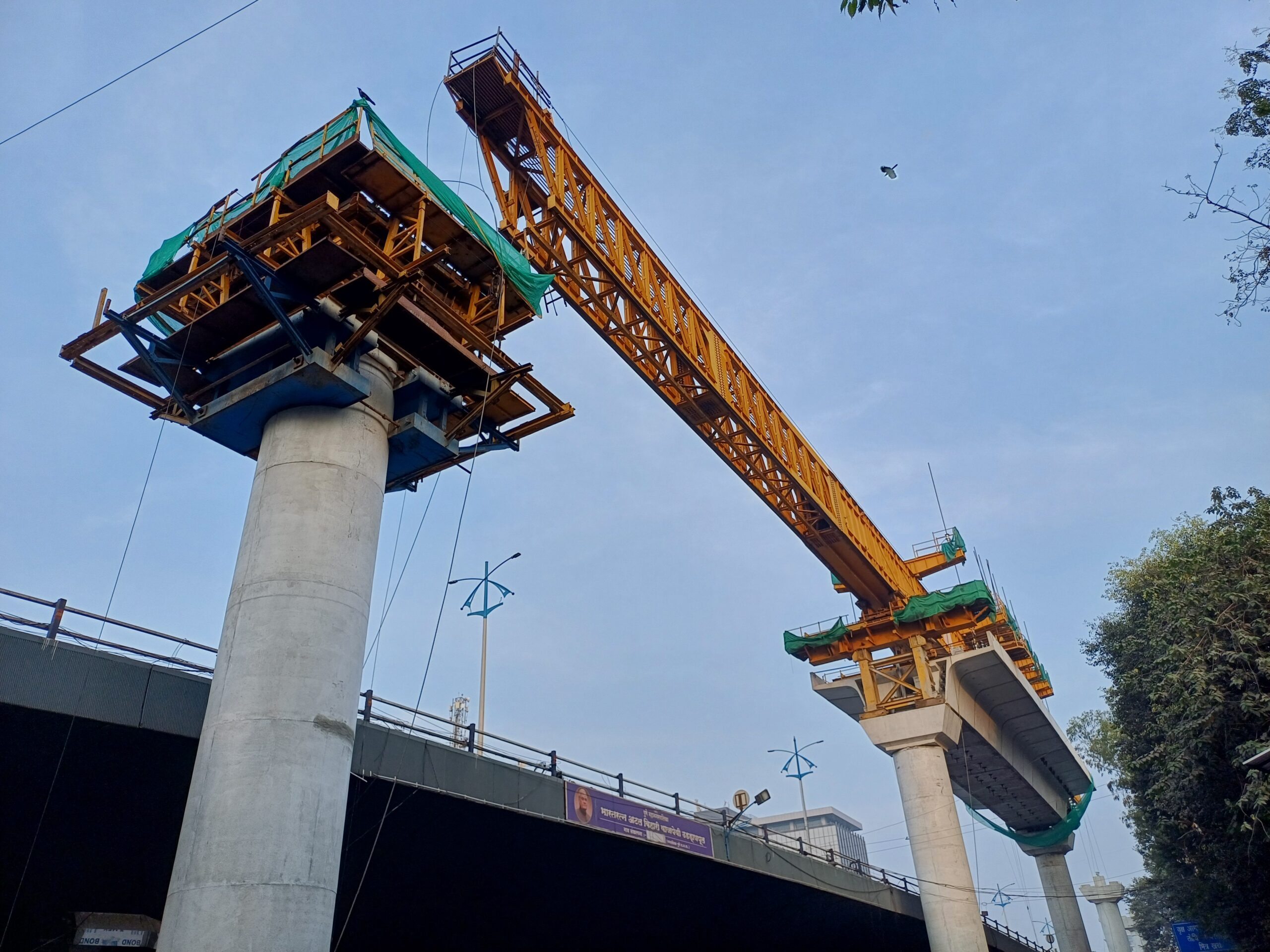
India infrastructure projects are gaining momentum as PM Modi reviews significant initiatives worth over Rs 16,000 crore. This mega push aims to enhance the nation’s infrastructure and stimulate economic growth.
Overview of India’s Infrastructure Push
India’s infrastructure projects have taken center stage under Prime Minister Narendra Modi’s leadership, highlighted by a recent review of initiatives worth over Rs 16,000 crore during the 54th PRAGATI meeting. This significant push aims to enhance connectivity, stimulate economic growth, and improve the quality of life for citizens.
The government has prioritized various sectors, including transportation, energy, and urban development. Key aspects of this push include:
- Transportation Enhancements: Upgraded roadways and rail networks are crucial for boosting trade and reducing travel time.
- Renewable Energy Projects: Investments in solar and wind energy are part of a broader strategy to achieve sustainability and reduce carbon emissions.
- Urban Infrastructure: Modernizing cities through smart technologies ensures better living conditions and efficient public services.
These initiatives not only create jobs but also attract foreign investment, signaling a robust future for India’s economy. As the nation continues to expand its infrastructure projects, the focus remains on ensuring that development is inclusive and beneficial for all segments of society. With a commitment to transparency and accountability, the government aims to achieve tangible results that resonate with the aspirations of the populace.
PM Modi’s Vision for Development
Prime Minister Narendra Modi’s vision for development has been instrumental in reshaping India’s infrastructure landscape. Through a series of ambitious initiatives, he aims to foster economic growth and enhance the quality of life for millions of citizens. Central to this vision is the ongoing focus on India infrastructure projects that prioritize connectivity, sustainability, and innovation.
During the recent PRAGATI meeting, where projects worth over Rs 16,000 crore were reviewed, PM Modi emphasized the significance of timely implementation and efficient resource utilization. He called for all stakeholders to work collaboratively, ensuring that infrastructure projects are completed within stipulated deadlines.
This approach not only accelerates development but also creates numerous job opportunities across various sectors. The Prime Minister underscored the need for adopting advanced technologies, which can lead to smarter and safer infrastructure solutions. Additionally, he highlighted the importance of public-private partnerships as a catalyst for attracting investment and expertise.
As India continues to embark on this transformative journey, the focus remains clear: building a robust infrastructure foundation that supports sustainable growth and enhances the nation’s global competitiveness.
- Enhanced Connectivity: Better roads and transport links.
- Job Creation: Millions of jobs in construction and related sectors.
- Global Competitiveness: Positioning India as a leader in infrastructure.
Key Projects Reviewed in PRAGATI Meeting
During the recent PRAGATI meeting, Prime Minister Modi reviewed several key projects that reflect the government’s commitment to enhancing India’s infrastructure. These initiatives, amounting to over Rs 16,000 crore, are crucial in meeting the nation’s growing demands and fostering economic development.
The projects discussed include:
- National Highways Expansion: Aimed at improving connectivity across states, this initiative focuses on upgrading existing roads and constructing new highways.
- Smart Cities Mission: This project seeks to develop urban areas into sustainable and efficient environments, enhancing the quality of life for residents.
- Renewable Energy Initiatives: Emphasizing sustainability, these projects include solar and wind energy generation, contributing to cleaner energy sources.
- Railway Modernization: Upgrading the railway infrastructure to ensure faster and safer travel options for passengers and freight.
These infrastructure projects not only promise to boost economic growth but also aim to create a more connected and sustainable India. PM Modi’s push towards these initiatives underscores the importance of robust infrastructure in achieving the nation’s long-term development goals.
Economic Impact of Infrastructure Investments
The economic impact of infrastructure investments in India has been profound, particularly under the stewardship of Prime Minister Modi. By prioritizing infrastructure projects, the government aims to enhance connectivity, stimulate job creation, and boost overall economic growth.
Investments in infrastructure have multiple benefits, including:
- Improved Transportation: Enhanced roads, railways, and airports facilitate smoother movement of goods and people, reducing travel times and costs.
- Job Creation: Large-scale projects lead to direct employment opportunities in construction and related sectors, along with indirect jobs in service industries.
- Boost to Local Economies: Infrastructure development stimulates local businesses and attracts investments, fostering regional development.
- Increased Productivity: Efficient logistics and transportation networks enable businesses to operate more effectively, leading to higher output.
As highlighted in the recent PRAGATI meeting, projects worth over Rs 16,000 crore are set to transform the landscape of India. These initiatives not only signify a commitment to modernizing the nation but also demonstrate the tangible benefits of PM Modi’s focus on infrastructure. The sustained investment in infrastructure projects promises a more resilient economy poised for future challenges.
Future Prospects for Indian Infrastructure
The future of Indian infrastructure looks promising as ongoing projects and planned initiatives continue to gain momentum. With Prime Minister Modi’s emphasis on development, the government is set to enhance connectivity across the nation, which is crucial for economic growth. The commitment to infrastructure projects is not just about building roads and bridges, but also about fostering innovation and sustainability.
Key areas of focus include:
- Smart Cities: Initiatives aimed at creating technologically advanced urban areas that provide a better quality of life.
- Green Energy: Investments in renewable energy sources to support sustainable growth and reduce carbon footprints.
- Rural Infrastructure: Enhancements in rural areas to ensure equitable development and improved access to essential services.
The government’s proactive approach has opened doors for private investment, encouraging partnerships that can accelerate infrastructure projects. As India continues to modernize its infrastructure, the benefits are expected to ripple through various sectors, ultimately contributing to a more robust economy. With the recent review of projects worth over Rs 16,000 crore, it is clear that the Indian government is focused on realizing its ambitious goals for infrastructure development, paving the way for a brighter future.
Challenges Ahead for Infrastructure Development
Despite the significant advancements in India infrastructure projects, several challenges continue to hinder progress in the sector. These obstacles need to be addressed to maintain the momentum generated by the government’s initiatives.
One of the primary challenges is the land acquisition process. Lengthy legal disputes and resistance from local communities often delay project implementation, leading to increased costs and extended timelines. Furthermore, inadequate planning and coordination among various government agencies can result in inefficiencies and misallocation of resources.
Another concern is the funding and investment required to sustain these ambitious projects. While government budgets are being allocated, private investment remains crucial. Attracting foreign direct investment (FDI) is essential, but potential investors may be deterred by regulatory complexities and perceived risks.
Additionally, ensuring the quality of infrastructure remains a critical challenge. Rapid development can lead to shortcuts in construction standards, which may compromise safety and longevity. Adhering to strict quality controls and regulations is vital to avoid future issues.
Lastly, the need for skilled labor and technological expertise cannot be overlooked. As India aims to modernize its infrastructure, bridging the skill gap in the workforce will be essential for the success of these projects.
India infrastructure projects have not only improved connectivity but also boosted economic growth across various sectors. As a result, these India infrastructure projects are seen as a pivotal element in transforming the nation’s overall development landscape.