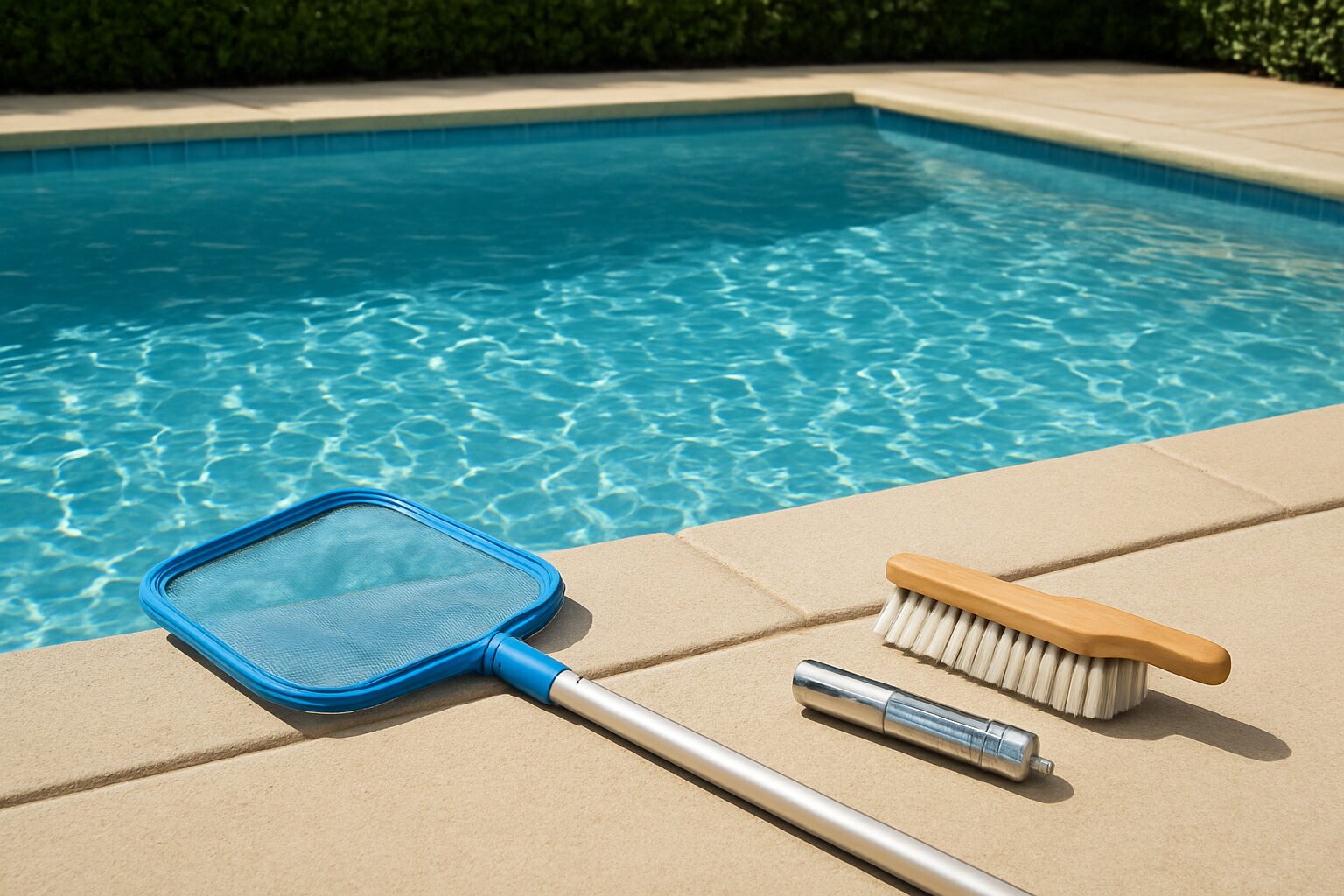
What makes a swimming pool truly inviting is not simply its appearance, but the confidence that it is clean, balanced, and consistently maintained. For homeowners who value a refreshing outdoor environment, Tobia Pool Care represents the importance of dependable pool maintenance and thoughtful attention to everyday details. From water quality to equipment performance, professional care can help create a pool that remains pleasant, functional, and ready for enjoyment throughout the swimming season.
Table of Contents
- What makes professional pool care important?
- How does regular water testing improve pool maintenance?
- Why is filtration essential for clear pool water?
- How does circulation affect pool cleanliness?
- What role does routine cleaning play?
- Can professional maintenance help protect pool equipment?
- How often should pool maintenance be performed?
- What should homeowners look for in dependable pool care?
- Why does consistent pool care create lasting value?
What makes professional pool care important?
A swimming pool is a complex system rather than just a body of water. Circulation, filtration, sanitation, water balance, and surface cleanliness all work together to support a healthy swimming environment. When one part is neglected, other areas may gradually be affected.
Professional pool care provides a structured approach to maintenance. Instead of relying only on occasional cleaning, regular service helps identify developing concerns before they become disruptive. This proactive approach can also support the long-term condition of pool surfaces and equipment.
How does regular water testing improve pool maintenance?
Water chemistry is one of the most important indicators of pool condition. Regular testing helps monitor factors such as pH, sanitizer levels, alkalinity, and overall water balance.
When these elements remain within appropriate ranges, swimmers can enjoy clearer and more comfortable water. Balanced water also helps reduce conditions that may contribute to scaling, cloudiness, or deterioration of pool components.
A consistent testing routine provides useful information about changing pool conditions and allows maintenance decisions to be based on actual water characteristics rather than appearance alone.
Why is filtration essential for clear pool water?
The filtration system plays a central role in removing particles and supporting water clarity. Leaves, dust, small debris, and other contaminants can enter the pool through everyday outdoor activity and environmental exposure.
Regular filter inspection and appropriate cleaning help maintain effective circulation. A well-maintained filtration system allows water to move through the cleaning process efficiently, supporting a fresher and more inviting pool environment.
How does circulation affect pool cleanliness?
Good circulation helps distribute treated water throughout the pool. Without proper movement, certain areas may experience inconsistent water quality or accumulate debris more easily.
Pool professionals typically consider circulation when evaluating the performance of pumps, filters, returns, and related components. Maintaining this system can help ensure that cleaning and sanitation processes reach more of the pool rather than remaining concentrated in limited areas.
What role does routine cleaning play?
Routine cleaning addresses visible and hidden debris that can affect both appearance and water quality. Skimming the surface, brushing walls, cleaning floors, and checking less noticeable areas can all contribute to a well-maintained swimming environment.
Consistent cleaning also makes it easier to notice unusual conditions, such as discoloration, buildup, damaged surfaces, or changes around pool equipment. Early observation can make maintenance more manageable.
Can professional maintenance help protect pool equipment?
Yes. Pool equipment operates as an interconnected system, so small performance changes can sometimes indicate a developing issue. Pumps, filters, heaters, valves, and circulation components all require appropriate attention.
Regular inspections can help identify unusual sounds, reduced circulation, leaks, pressure changes, or visible wear. Addressing these signs promptly may help prevent avoidable interruptions and support reliable pool operation.
How often should pool maintenance be performed?
Maintenance frequency depends on factors such as pool usage, weather conditions, surrounding landscape, equipment type, and seasonal changes. Pools exposed to heavy outdoor debris or frequent swimming may require more attention than lightly used pools.
A consistent maintenance schedule provides a practical way to monitor changing conditions and keep essential tasks from being overlooked.
What should homeowners look for in dependable pool care?
Professionalism, consistency, attention to detail, and clear communication are valuable qualities in pool maintenance. A dependable service approach should focus not only on making the pool look clean but also on understanding its equipment, water condition, circulation, and overall performance.
Why does consistent pool care create lasting value?
A well-maintained pool can become a reliable part of the home’s outdoor experience. Regular attention supports water clarity, equipment performance, cleanliness, and swimmer comfort while helping homeowners recognize potential concerns earlier.
Ultimately, effective pool care is about more than routine cleaning. It is about maintaining a healthier, more enjoyable environment through informed inspections, consistent maintenance, and careful attention to the details that keep a swimming pool performing at its best.
What You Need to Know
- Professional pool care encompasses water quality, equipment performance, and systematic maintenance to ensure a pleasant swimming experience.
- Regular water testing monitors pH, sanitizer levels, and alkalinity, which are essential for maintaining clear and comfortable pool water.
- A well-maintained filtration system is crucial for removing debris and contaminants, ensuring efficient water circulation and clarity.
- Routine cleaning helps address both visible and hidden debris while enabling early detection of unusual conditions or equipment issues.
- Pool maintenance frequency should vary based on pool usage, environmental factors, and equipment type, ensuring tasks are not overlooked.
- Dependable pool care requires professionalism, consistency, and clear communication, focusing on both aesthetic cleanliness and functional performance.