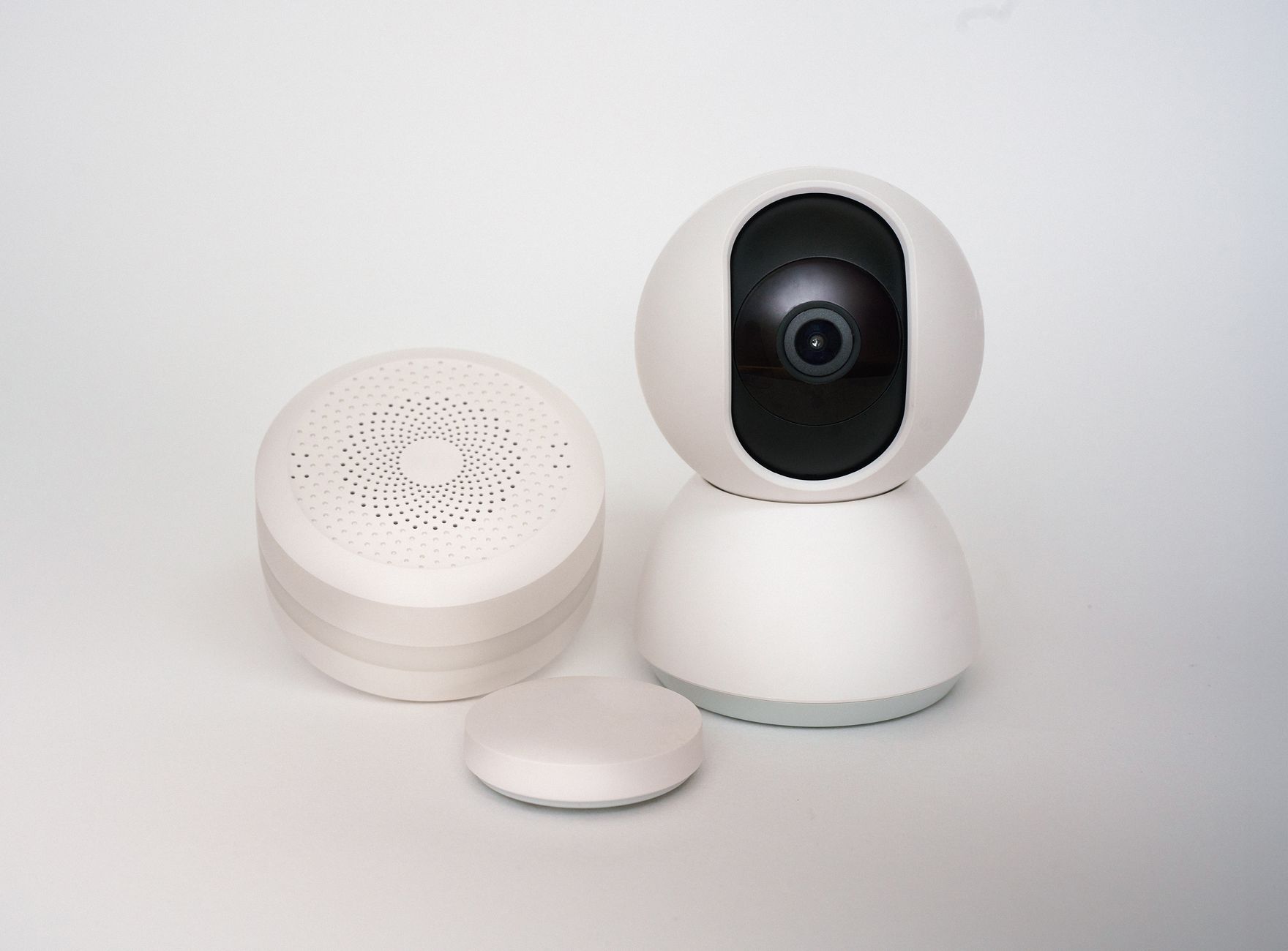
Smart sensor features are essential for enhancing your home automation. Understanding what to spend and which features truly matter can make a significant difference in your smart home experience.
What Are Smart Sensors?
Smart sensors are innovative devices designed to collect and analyze data from their surroundings, making them integral to various applications, including home automation and environmental monitoring. These sensors utilize advanced technology to provide real-time information, enhancing user experience and efficiency.
Typically, smart sensors feature a combination of functionalities that set them apart from traditional sensors. Some of the key characteristics include:
- Connectivity: Many smart sensors connect to Wi-Fi or Bluetooth networks, allowing users to access data remotely through mobile apps.
- Integration: They often integrate seamlessly with other smart devices, creating a cohesive ecosystem in smart homes or offices.
- Data Analysis: Enhanced data processing capabilities enable these sensors to not only collect data but also analyze it for actionable insights.
- Energy Efficiency: Most smart sensors are designed to consume minimal power, which prolongs their lifespan and reduces energy costs.
When considering which smart sensor features are worth spending on, it’s essential to evaluate how these functionalities meet your specific needs.
Key Features of Smart Sensors
When considering the purchase of smart sensors, it’s essential to focus on the key features that enhance their functionality and usability. Smart sensor features can significantly influence your decision-making process.
- Connectivity: The ability to connect with other devices and platforms is crucial. Look for sensors that support Wi-Fi, Bluetooth, or Zigbee for seamless integration.
- Data Accuracy: High precision in measurements is vital for effective monitoring. Choose sensors that provide reliable data to ensure informed decisions.
- Real-time Alerts: Instant notifications about changes or issues can help you respond quickly to potential problems.
- Energy Efficiency: Smart sensors that consume less power can save you money in the long run. Look for models with energy-saving features.
- User-friendly Interface: An intuitive app or dashboard will make it easier to manage your smart sensors and access data.
Investing in the right smart sensor features can lead to better home automation and enhanced safety.
How Much Should You Spend?
When considering how much to invest in smart sensors, it’s essential to balance quality with budget. Smart sensor features can greatly influence the price, making it crucial to identify which attributes are truly necessary for your needs.
Generally, basic smart sensors can start as low as $20, while advanced models equipped with multiple features can exceed $200. Here are some factors to consider when determining your budget:
- Sensor Accuracy: Higher accuracy often comes at a premium, but it’s vital for reliable data.
- Connectivity: Sensors that connect through Wi-Fi or Bluetooth may be more expensive but offer greater reliability and integration with other smart devices.
- Durability: Outdoor sensors designed to withstand harsh conditions typically cost more, reflecting their robust construction.
- Advanced Features: Look for sensors with additional smart sensor features like real-time alerts and data analytics, which can enhance their utility.
Ultimately, investing in quality smart sensors can lead to better performance and longer-term savings.
Choosing the Right Smart Sensor
When it comes to choosing the right smart sensor, understanding the available features is crucial for making an informed decision. Smart sensors come equipped with various functionalities that can enhance their usability and effectiveness.
Before making a purchase, consider the following features:
- Connectivity: Ensure the sensor is compatible with your existing smart home ecosystem, whether it’s Wi-Fi, Zigbee, or Z-Wave.
- Data Accuracy: Look for sensors that provide real-time data with high accuracy to ensure reliability.
- Battery Life: A long-lasting battery can save you from frequent replacements and maintenance.
- Alerts and Notifications: Features that send alerts to your smartphone can help you stay informed about changes in your environment.
- Integration with Other Devices: The ability to connect with other smart devices enhances the overall functionality and usability.
By prioritizing these smart sensor features, you can make a decision that meets your needs and budget.
By Eva Rinaldi Celebrity Photographer via Openverse
References
Related reading
3D Concrete Housing: India’s First Project is a Game Changer · Lucerne Grand sales: Best Proven Strategies for Buyers · Guwahati infrastructure projects: Smart upgrades for 50K daily passengers