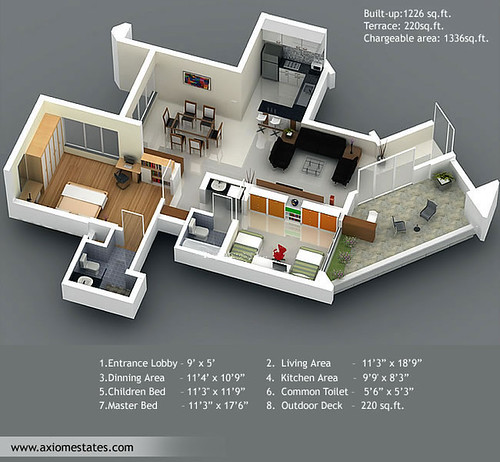
Housing sales decline has been a significant concern in Q3 2023, with a reported 6% drop. This trend reflects a slowdown in market activity and new launches.
Overview of Q3 2023 Housing Market
The housing market in Q3 2023 has experienced notable changes, with a significant decline in housing sales reported. According to PropEquity, housing sales have fallen by 6% compared to the previous quarter. This downturn can be attributed to various factors affecting both buyers and sellers in the market.
One major reason for the decline is the slowdown in new launches, which has contributed to reduced inventory for potential homebuyers. As demand continues to fluctuate, many prospective buyers are finding it challenging to navigate the current landscape.
In addition, rising interest rates and economic uncertainty are causing hesitation among buyers, further exacerbating the housing sales decline. Key trends observed during this period include:
- Decreased Buyer Activity: Many buyers are opting to wait for more favorable market conditions.
- Increased Inventory: Although there is a slowdown in launches, existing homes are becoming more available.
- Price Adjustments: Some sellers are lowering prices to attract buyers in a competitive market.
This combination of factors suggests that the housing market may continue to face challenges in the upcoming months.
Key Factors Behind the Decline
The recent report from PropEquity highlights a concerning trend in the real estate market, indicating a housing sales decline of 6% in Q3 2023. Several key factors are contributing to this downturn, affecting both buyers and sellers.
- Rising Interest Rates: The increase in mortgage rates has made home loans less affordable, discouraging potential buyers from entering the market.
- Economic Uncertainty: Ongoing concerns about inflation and job stability are making consumers hesitant to make significant financial commitments.
- Decreased Inventory: A slowdown in new housing launches has led to a scarcity of available homes, which paradoxically, has not spurred sales but rather stalled them.
- Shifting Buyer Preferences: As remote work becomes more prevalent, many buyers are reassessing their needs and delaying purchases, contributing to the overall decline.
These factors combined have created a challenging environment for the housing market, leading to the observed sales decline and raising concerns for future trends.
Impact on Homebuyers and Sellers
The recent housing sales decline has left both homebuyers and sellers navigating a challenging landscape. As the market cools, potential buyers are finding fewer options available, which can lead to increased competition for desirable properties. This scarcity often results in higher prices, making it difficult for first-time buyers to enter the market.
On the other hand, sellers are facing their own set of challenges. With a noticeable drop in sales, many are hesitant to list their homes, fearing they will not fetch the desired price. Additionally, those who do list may experience longer time on the market, prompting adjustments to their selling strategies.
Key impacts include:
- Increased mortgage rates leading to affordability issues for buyers.
- Heightened uncertainty causing potential sellers to delay listings.
- Shift in buyer expectations as they adapt to a more competitive environment.
Ultimately, these trends indicate a significant shift in the housing market dynamics as stakeholders reassess their positions.
Future Predictions for Real Estate
As the housing sales decline continues to shape the market, experts are making predictions about the future of real estate in the upcoming quarters. While the current trend reflects a 6% drop in sales as reported by PropEquity, analysts believe this could lead to a more stabilized market in the long run.
Several factors are expected to influence future housing sales, including:
- Interest Rates: Should interest rates stabilize or decrease, potential buyers may feel encouraged to enter the market.
- Home Affordability: If prices adjust to better align with buyers’ budgets, this could revive demand.
- Economic Recovery: As the economy rebounds post-pandemic, consumer confidence may boost housing sales.
However, the persistent housing sales decline raises concerns about the long-term health of the housing market. Homebuilders may need to reevaluate their strategies to adapt to changing demands and buyer sentiments.
Ultimately, the real estate landscape is poised for transformation, influenced by both market forces and consumer behavior.
Regional Variations in Sales
The recent report from PropEquity highlights significant regional variations in housing sales decline across the country during Q3 2023. While some areas have experienced more drastic drops, others have shown resilience in the face of market challenges.
In urban centers, housing sales have seen a notable decrease of 8%, primarily attributed to rising interest rates and affordability concerns. Conversely, suburban regions have reported a 3% decline, reflecting a shift as families continue to seek more spacious living arrangements.
Additionally, coastal markets have struggled with a 7% decrease in sales, as potential buyers are deterred by elevated home prices and economic uncertainty. In contrast, some Midwestern areas have remained relatively stable, with only a 2% decline, benefiting from lower housing costs and steady demand.
These regional disparities underscore the complex landscape of the housing market, revealing that the overall housing sales decline does not uniformly affect all areas.
Expert Opinions on Market Trends
Experts have analyzed the recent trends in the housing market, emphasizing that the housing sales decline is indicative of broader economic challenges. Dr. Emily Carter, a leading economist, notes that rising interest rates have significantly impacted buyer affordability, causing many potential homeowners to hesitate. She states, “The increase in mortgage rates has made it difficult for first-time buyers to enter the market, leading to a noticeable slowdown in sales.”
Additionally, Mark Davidson, a real estate analyst, points out that negative consumer sentiment has contributed to this decline. He explains, “Many buyers are waiting for prices to stabilize before making a purchase, resulting in fewer transactions overall.”
Another expert, Sarah Lee, highlights the importance of inventory levels. She states, “With new housing launches slowing, we are witnessing a paradox where demand remains while supply diminishes, yet sales continue to fall.”
These expert opinions underscore the complexities of the current housing market and the challenges that both buyers and sellers face amidst this housing sales decline.
By jlcwalker via Openverse