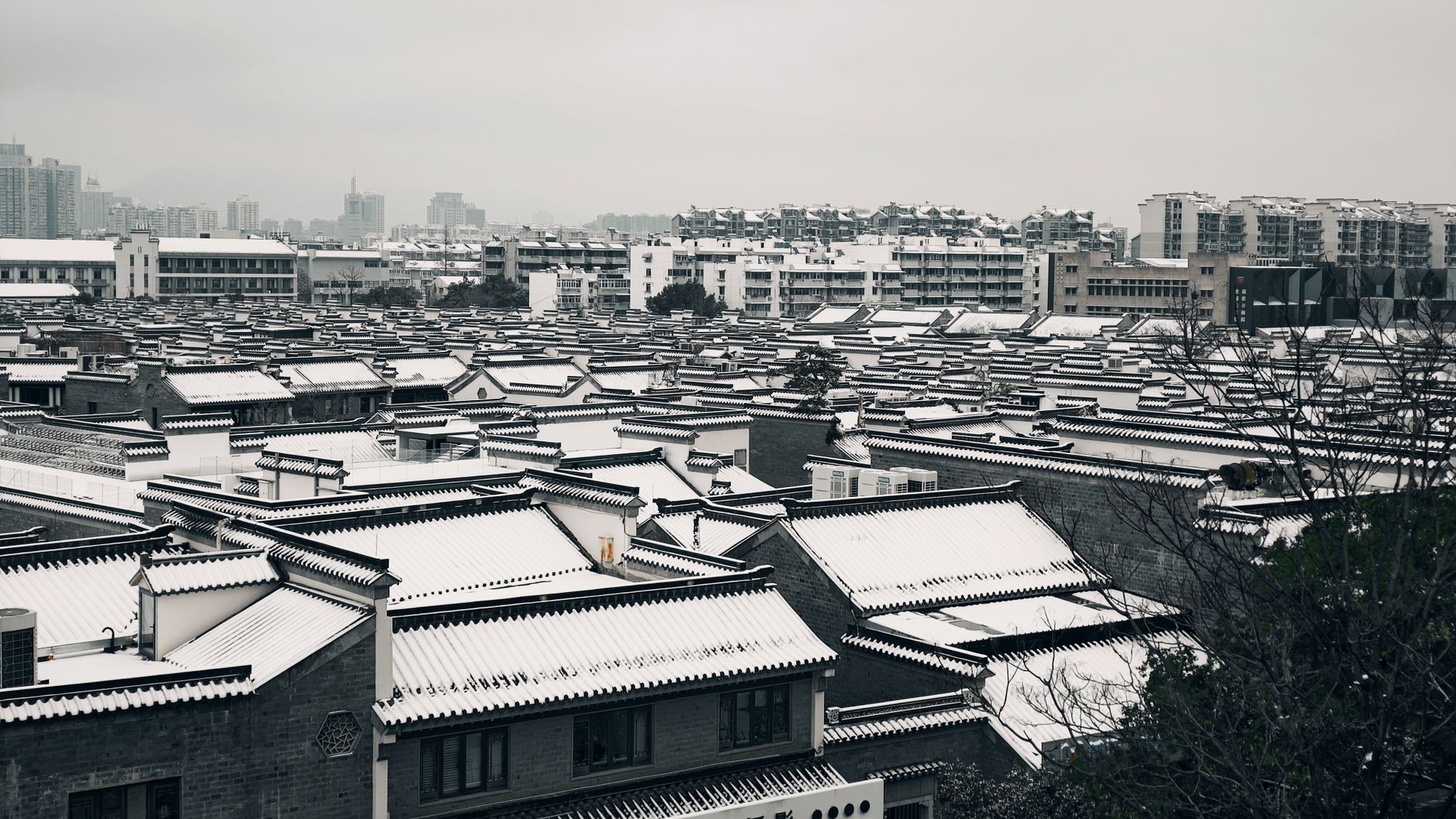
China new-home prices are facing significant challenges as they flatten amid a persistent property slump, raising concerns about the market’s future.
Overview of China’s New-Home Prices
China’s new-home prices have recently displayed a concerning trend, with reports indicating the worst flattening in years. This stagnation reflects the ongoing struggles within the country’s property market, which has faced significant challenges in recent months.
Many second-tier cities are experiencing a notable decline in new-home prices, as developers grapple with reduced demand and increasing inventory. The situation is exacerbated by a broader economic slowdown, which has left potential buyers hesitant.
According to industry analysts, the following factors contribute to the current state of new-home prices in China:
- Economic slowdown: A deceleration in economic growth has led to decreased consumer confidence.
- Excess supply: Many cities have seen a surge in housing inventory, with developers struggling to sell existing units.
- Regulatory changes: Tightening government policies aimed at controlling the property market have also impacted buying sentiment.
- Interest rates: Rising borrowing costs may further deter potential homebuyers.
As new-home prices remain flat, the outlook for the property sector in China appears uncertain, raising concerns about long-term stability and recovery.
Factors Contributing to Price Flattening
The recent stagnation in China new-home prices can be attributed to several interrelated factors that are influencing the property market. As economic growth slows, consumer confidence has been adversely affected, leading to a decline in demand for new homes. This shift in sentiment has prompted potential buyers to adopt a wait-and-see approach, further exacerbating the flattening trend.
Additionally, ongoing regulatory measures aimed at curbing speculation in the real estate sector have resulted in tighter financing conditions for both developers and homebuyers. These policies have made it increasingly difficult for new projects to secure funding, causing many developments to be delayed or canceled altogether. Consequently, the supply of new homes has not kept pace with demand, contributing to the stagnation in prices.
Furthermore, many cities are experiencing an overhang of unsold properties, which places downward pressure on new-home prices. As inventory levels rise, developers are compelled to offer discounts or incentives to entice buyers, leading to a further flattening of prices.
Finally, demographic shifts, such as urban migration patterns and changing preferences among younger generations, are reshaping the housing market landscape. As these factors converge, they create a complex environment for China new-home prices, signaling a challenging road ahead for the real estate sector.
Impact of the Property Slump
The ongoing property slump in China has led to significant ramifications for the real estate market, particularly affecting new-home prices. Analysts have observed a pronounced stagnation in property values across various cities, with second-tier markets experiencing some of the most severe impacts.
Many potential homebuyers are now hesitant to make purchases, as they remain uncertain about the future direction of the market. As a result, a growing number of developers are forced to offer discounts and incentives to attract buyers, further driving down prices. This trend has contributed to a broader sense of unease within the property sector, highlighting the challenges faced by both buyers and sellers.
Several factors are exacerbating the situation:
- Weak consumer confidence: A decline in economic growth has made buyers more cautious.
- Increased inventory: Many developers are sitting on unsold properties, leading to a supply glut.
- Tightened credit conditions: Stricter lending practices have made it harder for potential buyers to secure mortgages.
The cumulative effects of these factors are evident, as new-home prices continue to show the worst flattening trend in years, raising concerns about the long-term stability of the Chinese real estate market.
Buyer Confidence in Current Market
As the property slump continues, buyer confidence in the market for China new-home prices has reached a concerning low. Prospective homeowners are increasingly hesitant to make purchases, influenced by a mix of economic uncertainty and stagnating prices. The flattening trend in new-home prices has left many buyers questioning the potential for future appreciation.
Many individuals are adopting a wait-and-see approach, believing that prices may drop further before they consider investing in a new home. This cautious sentiment is reflected in recent surveys, where a significant portion of respondents expressed doubts about the stability of the market. The ongoing stagnation has led to a sense of pessimism, with buyers feeling uncertain about the timing of their investments.
Key factors contributing to this lack of confidence include:
- Economic Indicators: Weak economic data has raised alarms among potential buyers.
- Employment Concerns: Job security remains a significant worry for many families.
- Investment Risks: The fear of further declines in property value is leading to increased caution.
As the market grapples with these challenges, it remains to be seen how long the trend of flat prices will persist and whether buyer confidence can be restored in the near future.
Future Predictions for Real Estate
As the trend of flattening in China new-home prices continues, industry experts are closely monitoring potential future developments in the real estate market. With the ongoing property slump showing no immediate signs of recovery, several predictions have emerged regarding how this situation may evolve.
Analysts suggest that the current stagnation in prices could persist for the foreseeable future. Key factors influencing these predictions include:
- Government Policies: Continued regulatory measures aimed at stabilizing the market may prevent significant price increases, keeping demand subdued.
- Economic Conditions: A slow recovery in the broader economy could hinder consumer confidence, further affecting new-home prices.
- Supply Chain Issues: Ongoing supply disruptions may affect new developments, impacting the overall housing supply and potentially leading to price adjustments.
Furthermore, some experts caution that if buyer sentiment does not improve, we may see a continued decline in transaction volumes, exacerbating the flattening trend. Developers are likely to adjust their pricing strategies to attract buyers, potentially leading to localized price drops in certain markets.
In conclusion, while the outlook for China new-home prices remains uncertain, the interplay of economic, regulatory, and market forces will play a crucial role in shaping the future of the real estate landscape.
Government Response to Housing Issues
The Chinese government has acknowledged the ongoing challenges in the real estate market, particularly the flattening trend of new-home prices. In response to the persistent property slump, authorities have introduced a series of measures aimed at stabilizing the housing sector and restoring buyer confidence.
Key actions taken by the government include:
- Policy Adjustments: Local governments have been encouraged to relax restrictions on home purchases and reduce down payment requirements to stimulate demand.
- Financial Support: Banks are being urged to provide more favorable mortgage rates and loans to first-time homebuyers, making housing more accessible.
- Infrastructure Investment: Increased investment in infrastructure projects is being implemented to enhance the appeal of various regions, potentially driving new-home prices upwards.
Analysts believe that these initiatives could help counteract the stagnation of new-home prices in China, although results may take time to materialize. The government’s commitment to addressing housing issues underscores the significance of the real estate sector in the broader economy. However, skepticism remains among buyers, many of whom are waiting for clearer signs of recovery before making significant purchases.
As the situation unfolds, the effectiveness of these measures will be closely monitored, with hopes that they will lead to a more favorable environment for both buyers and sellers in the coming months.
Experts are concerned that the recent stagnation in China new-home prices could signal a broader economic slowdown. As demand weakens, analysts predict that China new-home prices may continue to struggle in the coming months.
Photo by Alex Bian on Pexels