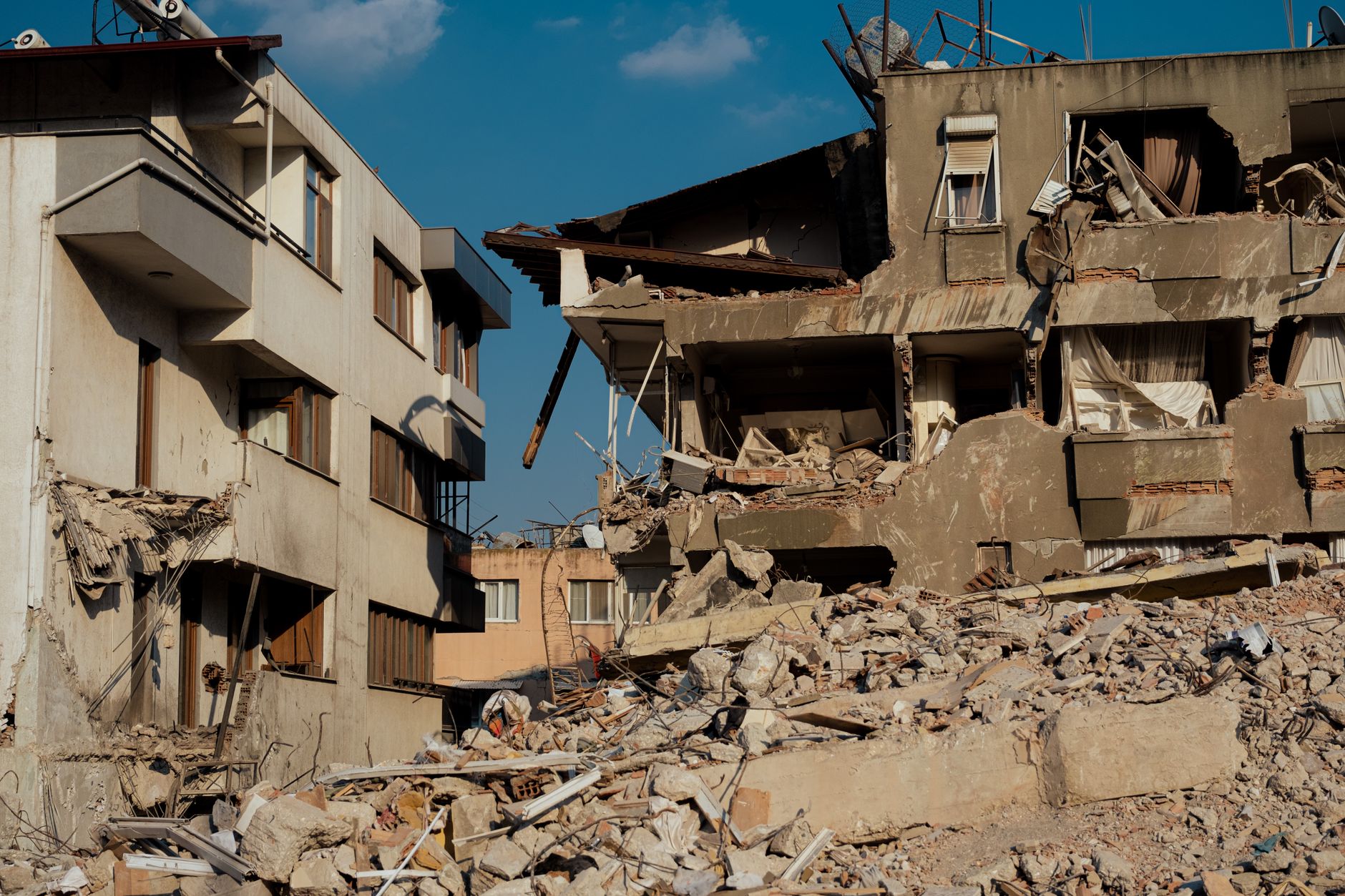
Disaster risk assessments are essential for housing projects to prevent future calamities. Simelane emphasizes the need for these evaluations before construction begins.
Importance of Disaster Risk Assessments
Disaster risk assessments play a crucial role in ensuring the safety and sustainability of housing projects. As urban areas continue to grow, the potential for disasters, whether natural or man-made, increases significantly. Conducting thorough assessments allows planners and developers to identify vulnerabilities and implement effective strategies to mitigate risks.
Key reasons for prioritizing disaster risk assessments include:
- Protection of Lives: By understanding potential hazards, developers can design buildings that are safer and more resilient, ultimately protecting residents from harm.
- Financial Savings: Proactive assessments can reduce long-term costs associated with disaster recovery and repairs, making projects more economically viable.
- Compliance with Regulations: Many regions require disaster risk assessments before construction can begin, ensuring that projects adhere to safety standards and regulations.
- Community Resilience: Engaging in disaster risk assessments fosters a culture of preparedness within communities, empowering residents to respond effectively in times of crisis.
In light of recent calls from officials like Simelane for comprehensive disaster risk assessments prior to housing developments, it is evident that such evaluations are not merely a formality but an essential step in creating safer living environments for all.
Simelane’s Call to Action
In a recent address, Simelane emphasized the urgent need for comprehensive disaster risk assessments prior to initiating housing projects. He argued that neglecting this crucial step could lead to devastating consequences for communities and the environment. “We cannot afford to overlook the potential hazards that may arise from our housing developments,” Simelane stated, urging stakeholders to prioritize safety and sustainability.
He highlighted several key reasons why disaster risk assessments should be an integral part of the planning process:
- Protection of Lives: Conducting thorough assessments ensures that the safety of residents is at the forefront of housing initiatives.
- Environmental Considerations: Understanding the geographical risks associated with a site can help mitigate damage to local ecosystems.
- Economic Viability: Housing projects that incorporate risk assessments are often more sustainable, reducing potential financial losses from disasters.
- Community Resilience: Assessments foster a culture of preparedness, empowering communities to respond effectively to emergencies.
Simelane’s call to action resonates with the growing recognition of the importance of disaster risk assessments in urban planning. By addressing these challenges proactively, we can create safer living environments for future generations.
Benefits of Early Assessments
Conducting disaster risk assessments early in housing project planning offers numerous benefits that can significantly enhance safety and sustainability. These assessments allow developers and planners to identify potential hazards, enabling them to design structures that are resilient to environmental threats.
One major advantage of early assessments is the ability to minimize financial losses. By understanding the risks involved, stakeholders can allocate resources more effectively, avoiding expensive remediation efforts later. Additionally, incorporating disaster resilience into the design phase can lead to long-term cost savings through reduced insurance premiums and lower maintenance costs.
Another important benefit is improved community trust and engagement. When residents see that developers prioritize safety through comprehensive risk assessments, it fosters a sense of security and confidence in the project. This transparency can lead to stronger community support and collaboration.
Moreover, early assessments can help to comply with regulatory requirements and standards, ensuring that housing projects meet necessary safety criteria. As a result, this proactive approach not only protects lives but also enhances the overall quality of life in the community.
In summary, integrating disaster risk assessments at the outset of housing projects is a smart strategy that promotes safety, financial efficiency, and community trust.
Challenges in Implementation
Despite the clear benefits of incorporating disaster risk assessments into housing projects, several challenges persist that hinder effective implementation. These obstacles can lead to inadequate preparation for potential hazards, ultimately jeopardizing the safety of communities.
One major challenge is the lack of funding allocated to conduct thorough assessments. Many housing projects operate under tight budgets, often prioritizing immediate construction costs over long-term safety measures. This financial constraint can result in superficial evaluations that fail to identify critical risks.
Another significant issue is the insufficient training of professionals involved in risk assessment processes. Many engineers and planners lack the expertise necessary to conduct comprehensive evaluations. Consequently, this gap in knowledge can lead to oversights that leave communities vulnerable to disasters.
Additionally, there is often a disconnect between various stakeholders, including government agencies, non-profit organizations, and local communities. Without effective communication and collaboration, it becomes challenging to gather the necessary data and insights required for accurate risk assessments.
Lastly, the rapidly changing climate poses an additional layer of complexity, as traditional models may not adequately predict future risks. Addressing these challenges is crucial for ensuring that disaster risk assessments are effectively integrated into housing projects, ultimately safeguarding communities from unforeseen calamities.
Future of Housing Projects
The future of housing projects hinges on the integration of comprehensive disaster risk assessments into their planning and execution phases. As climate change intensifies and urban populations swell, the need for resilient housing solutions becomes paramount. Stakeholders in the housing sector are recognizing that proactive measures can mitigate potential devastation caused by natural disasters.
Innovative technologies and data analytics are paving the way for more accurate risk evaluations. By leveraging geographical information systems (GIS) and predictive modeling, developers can identify vulnerabilities in potential housing sites. This not only protects investments but also ensures the safety of future residents.
Moreover, community involvement in the assessment process fosters a sense of ownership and awareness. Engaging local populations allows for a better understanding of historical hazards and cultural significance, which can inform more effective housing designs.
As regulatory frameworks evolve, governments are being urged to mandate disaster risk assessments as a prerequisite for housing projects. This shift not only enhances safety standards but also encourages sustainable development practices that prioritize environmental integrity.
- Increased focus on community resilience
- Integration of technology in assessments
- Collaboration among stakeholders
Ultimately, the future of housing projects lies in a balanced approach that prioritizes both safety and sustainability.
Photo by Doruk Aksel Anıl on Pexels
Where this came from
You might also like
Fire Emblem Expansion Pass: The Best New Content for Switch · Compassionate Respite Care Springfield MA: A Vital Support for Families · The Ultimate Guide to Tobia Pool Care for a Healthier, Happier Pool