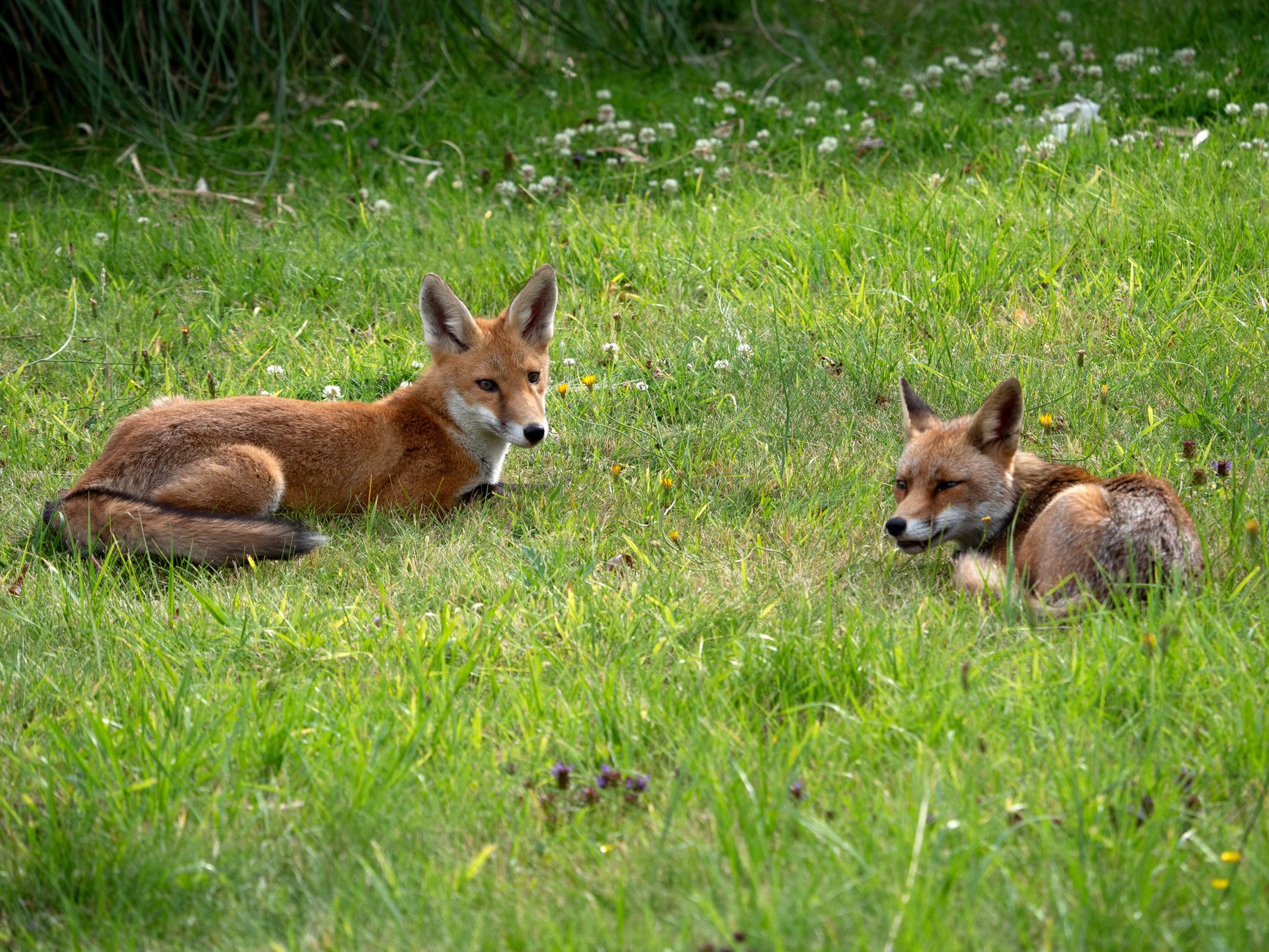
The fox elimination campaign has gained attention for its efforts to protect local wildlife. Launched in 2004, it focuses on safeguarding vulnerable species like the little penguin.
Overview of the Fox Elimination Campaign
The fox elimination campaign on Phillip Island, initiated in 2004, aimed to protect the island’s vulnerable wildlife, particularly the little penguin colonies. Following the alarming decline, where nine out of ten colonies faced severe threats from predation, local authorities recognized the urgent need for action.
The campaign employed a combination of strategies to effectively reduce the fox population, including:
- Trapping and Removal: Experienced teams set traps to capture foxes humanely and relocate them to designated areas.
- Public Awareness: Engaging the community through educational programs highlighted the importance of protecting native species from invasive predators.
- Monitoring and Research: Continuous assessment of the fox population and its impact on local wildlife informed ongoing strategies and adjustments to the campaign.
By focusing on a multi-faceted approach, the fox elimination campaign not only helped safeguard the little penguin populations but also fostered a greater understanding of ecological balance within the community. As a result, the campaign has been recognized as a model for similar initiatives in other regions facing threats from invasive species.
Impact on Little Penguin Colonies
The fox elimination campaign on Phillip Island has had a significant impact on the local little penguin colonies. Prior to the campaign, foxes were a major threat, leading to a steep decline in the population of these beloved birds. In 2004, the urgent need for their protection prompted the launch of targeted strategies to remove foxes from the area.
Since the implementation of the campaign, there have been notable improvements in the little penguin numbers. The elimination of foxes has allowed the colonies to recover and flourish. Recent studies indicate that:
- Penguin Survival Rates: Increased survival rates among juvenile penguins, which are particularly vulnerable to predation.
- Nesting Success: Higher nesting success, with more eggs hatching and chicks reaching maturity.
- Population Growth: A steady increase in the overall population of little penguins, contributing to biodiversity.
These positive outcomes highlight the effectiveness of the fox elimination campaign and its vital role in safeguarding the future of little penguin colonies on Phillip Island. Continued monitoring and adaptive strategies will be essential to maintain these gains.
Successful Strategies for Wildlife Protection
The success of the fox elimination campaign on Phillip Island can be attributed to several effective strategies aimed at protecting local wildlife, particularly the endangered little penguins. These strategies have not only focused on direct elimination but also on habitat management and community involvement.
- Targeted Trapping: A systematic trapping program was implemented to capture and remove foxes from the island. This approach not only reduced the fox population but also minimized the impact on non-target species.
- Monitoring and Research: Continuous monitoring of fox activity and penguin populations has been crucial. Researchers have documented the effects of fox removal on little penguin colonies, gathering data to refine the campaign.
- Public Engagement: Community involvement has been integral to the campaign’s success. Educational programs raise awareness about the importance of protecting local wildlife and encourage residents to report fox sightings.
- Habitat Restoration: Restoring natural habitats helps bolster the resilience of penguin colonies, making them less vulnerable to predation.
By combining these strategies, the fox elimination campaign has not only safeguarded the little penguin populations but has also set a precedent for wildlife protection efforts elsewhere.
Community Involvement in Conservation Efforts
Community involvement plays a crucial role in the success of the fox elimination campaign on Phillip Island. Local residents and organizations have come together to support various initiatives aimed at safeguarding wildlife, particularly the vulnerable little penguin colonies.
One of the primary ways the community contributes is through education and awareness programs. These programs inform residents about the negative impact of foxes on local ecosystems and encourage proactive participation in conservation efforts. By fostering a sense of responsibility, community members are more likely to engage in protective measures.
Additionally, volunteer groups organize regular activities, such as:
- Habitat restoration projects
- Monitoring wildlife populations
- Participating in fox trapping and relocation efforts
Local businesses also play a vital role by sponsoring events and providing resources for these initiatives. Involving the community not only strengthens the fox elimination campaign but also enhances the overall commitment to preserving Phillip Island’s unique biodiversity. Through collective efforts, the island aims to create a sustainable environment where both wildlife and residents can thrive.
Future of Wildlife Management on Phillip Island
The future of wildlife management on Phillip Island is increasingly centered around innovative approaches to ensure the protection of native species. The fox elimination campaign has proven to be a pivotal strategy in safeguarding local wildlife, particularly the vulnerable little penguin colonies. As the island’s ecosystem continues to evolve, ongoing efforts are vital to maintain the delicate balance between conservation and community interests.
Key elements shaping the future include:
- Continuous Monitoring: Regular assessments of wildlife populations will help identify emerging threats and measure the success of current strategies.
- Community Education: Engaging local residents and visitors in understanding the importance of wildlife conservation fosters a sense of responsibility and support for ongoing initiatives.
- Adaptive Management: Incorporating scientific research and feedback into wildlife management practices will ensure that strategies remain effective and responsive to changing conditions.
- Collaborative Partnerships: Working with environmental organizations and government agencies will enhance resources and expertise in managing biodiversity.
Through these efforts, Phillip Island aims to secure a vibrant future for its unique wildlife, ensuring that campaigns like the fox elimination campaign continue to yield positive results.
Photo by Brett Jordan on Pexels